How Can I Write About Bingo Without Turning It Into a Gambling Ad?
Bingo is easy to describe as a game of numbers, but writing about it well takes more care than listing its rules or repeating the excitement of a win. The game has a distinctive structure, a long-standing social life and a modern digital presence. It can also involve spending money. A useful article makes room for all of those facts without nudging readers towards playing, promising rewards or treating gambling as a harmless solution to boredom or money worries.
The key is to adopt a neutral tone and decide what the piece is for. A practical guide can explain how a game works; a reported feature can explore the atmosphere of a hall; an interface review can assess how clearly an online version presents information. None needs to become an advertisement. Focus on formats, explain costs carefully, and give readers enough context to understand what they are looking at.
Start with the game, not the sales pitch
Bingo has a simple central idea: players mark numbers on cards or tickets as numbers are called. The arrangement of the numbers and the pattern needed to complete a game depend on the format. That basic explanation gives readers a foundation without leaning on promotional language such as “unmissable”, “life-changing” or “your next big win”.
In a typical game, a caller or digital system announces numbers in sequence. Players check their cards and mark any matching numbers. A round may have one or more winning patterns, and the rules should specify what counts as a win and when the game ends. If you are describing a particular venue or platform, verify its rules rather than assuming every version works in the same way.
Keep the description proportionate. A win can be part of the account, but it should not dominate the explanation or imply that winning is likely. If the article is about how a session works, describe the sequence: tickets are issued or selected, numbers are called, players follow the game, and the result is checked. That is more informative than presenting the activity as a route to a payout.
Focus on formats: 75-ball and 90-ball bingo
One of the most useful ways to make a bingo article specific is to explain which format it covers. The two familiar versions, 75-ball and 90-ball bingo, share the called-number structure but differ in their cards and in how a round is commonly played. Avoid treating “bingo” as if it always means the same set-up.
75-ball bingo
In 75-ball bingo, a card commonly has a five-by-five grid, with the letters in “BINGO” associated with its columns. Numbers are drawn from a pool of 75. A game may ask players to complete a particular pattern on the grid, such as a line, a shape or, in some versions, a full card. The required pattern can vary, so state the one used in the game you are writing about.
The grid is visually central to this format. A clear explanation can show how a called number relates to a column and how players identify the target pattern. If you include a diagram, label it as an example rather than implying it represents every game. Explain any free space or special rule only if it applies to the version in question.
90-ball bingo
In 90-ball bingo, players commonly use tickets arranged in rows and columns. A ticket typically contains 15 numbers across three rows, with blank spaces between them. Numbers are called from a pool of 90, and prizes or winning stages are often associated with completing one line, two lines and a full house. The precise sequence and rules can differ by venue or platform, so check the relevant game information.
For readers unfamiliar with the format, the important distinction is that the ticket layout and winning stages differ from the familiar 75-ball grid. A short comparison helps them understand what they would see without suggesting that one format is better or more rewarding.
Feature 75-ball bingo 90-ball bingo Number pool 75 numbers 90 numbers Common layout Five-by-five grid, often labelled B-I-N-G-O Ticket with three rows and spaces between numbers Common objective Complete a specified pattern Complete one or more lines, then possibly a full house What to verify The required pattern and any special rules The ticket rules and the order of winning stagesUse words such as “commonly” and “typically” when describing conventions, then identify any variation in the specific game. This is both more accurate and less likely to make a general article sound like a sales page for one particular version.
Describe digital bingo through clarity and usability
Digital bingo introduces a different set of details. Readers may be using a phone, tablet or computer, and the quality of the experience depends partly on whether the interface makes the game understandable. Rather than calling an app “seamless” or “the ultimate experience”, describe what its digital interface menus contain and how easy it is to find the information a player needs.
For example, can a user distinguish the current game from other available rooms? Are the rules, ticket details and relevant terms easy to locate before joining a round? Are controls clearly labelled? Is it obvious how to mute audio, adjust display settings or leave a game? These are concrete observations that help readers assess the interface without encouraging them to spend.
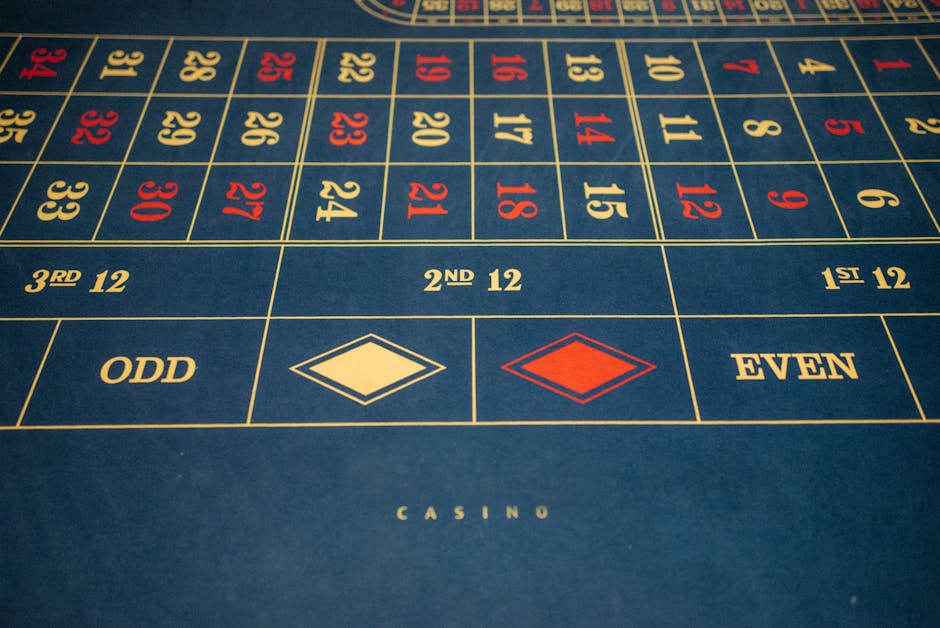
Status information matters, too. A digital display might show called numbers, the numbers marked on a card, the current stage of a round or whether a result has been confirmed. Explain what the interface actually displays, and note any uncertainty or limitation. If an automated feature marks numbers, say so plainly; do not imply that automation improves a player’s chances.
Accessibility is part of clarity. Consider whether numbers are easy to read, whether important information relies on colour alone, and whether the interface offers text or audio alternatives. Where you cannot test a feature, say that rather than assuming it works well. A review based on observation is more useful than a list of unverified claims.
Capture the hall-based social atmosphere
Bingo is not only a card and a sequence of calls. In a hall, the shared rhythm can be as significant as the rules: a number is announced, players scan their cards, someone calls out, and the room responds. Conversation, anticipation and local routines may shape the experience. Describing that atmosphere gives an article texture without turning the people in it into props or implying that everyone has the same reason for attending.
Be specific and respectful. You might observe the pace of the caller, the sound of people checking numbers, or how regular players help newcomers understand a pattern. If you interview participants, ask what the social setting means to them rather than assuming bingo is a cure for loneliness or a universal community lifeline. One person’s account is not evidence that every venue offers the same experience.
There is also a difference between describing social connection and using it as a persuasion tactic. “Players shared jokes between rounds” is an observation. “Join a friendly community today” is a call to action. Keep the focus on what you saw and heard, and be transparent about the setting in which you reported.
Mention costs carefully
Costs should be handled with precision, especially if a game involves buying tickets, paying for entry or using an online account. Do not invent a price, online bingo for beginners rely on an old figure, or assume that costs are uniform across venues and platforms. If a specific amount matters to the article, confirm it directly with the venue or platform and state when the information was checked. If it cannot be verified, say so.
When a price is not available or relevant, use an explicit note rather than filling the gap with a guess. For this example, the appropriate wording is: none stated. That does not mean the activity is free; it means no price has been supplied for the example. Tell readers to check the specific platform or venue for current costs and any conditions that apply.
Cost information Responsible wording Example price None stated What to tell readers Costs may differ; check the specific platform or venue What to avoid Guessing a price or describing a game as free without verificationDiscuss costs in general terms when exact, current information is unavailable. Depending on the context, relevant questions may include whether tickets are purchased individually or as part of a session, whether optional extras exist, and where the terms are displayed. Do not bury this information beneath descriptions of prizes or use small-print language that makes the financial commitment hard to notice.
Where the article concerns gambling, it should also avoid presenting potential winnings as income, a dependable return or a way to solve financial difficulties. A neutral account can say that outcomes are uncertain and that readers should understand the rules and costs before taking part. Keep any relevant age limits, operator details or safer-gambling information accurate and appropriate to the jurisdiction; do not add generic advice that could be mistaken for a verified local rule.
Choose language that informs rather than persuades
Promotional language often appears in small choices: calling a prize “huge”, describing a session as “risk-free”, or suggesting that readers are “due a win”. These phrases can distort the game’s mechanics and create expectations the facts do not support. Prefer direct descriptions: “the game has a stated prize”, “the next number is called”, or “the rules specify a full-house result”.
A neutral tone does not mean a dull article. You can write vividly about the pace of a hall or the visual design of a digital card, provided the description is grounded in observation. Separate fact from opinion: label a personal impression as such, identify the source of a claim, and avoid presenting marketing copy as independent reporting.
It also helps to be wary of imagery and framing. A photograph of smiling winners may be accurate to one moment but can imply that winning is typical. If you use images, caption them precisely and avoid suggesting that a pictured person won a particular prize unless that has been confirmed. The same care applies to headlines: a question about how the format works is more informative than a headline built around a dramatic payout.
A practical editing checklist
Before publishing, read the piece as someone who knows little about bingo. Check whether the article explains the game’s structure, names the format and makes costs understandable without pushing the reader towards participation.
- Have you explained the grid or ticket and the called-number structure?
- Have you distinguished 75-ball from 90-ball bingo where relevant?
- Have you checked the specific rules rather than generalising from another game?
- Do your comments on digital interface menus and status information describe observable features?
- Does your account of a hall reflect the shared rhythm without making unsupported claims about its social benefits?
- Have you avoided promises, pressure, “sure win” language and misleading descriptions of prizes?
- Are costs either verified or clearly marked as not stated, with readers directed to the specific platform or venue?
- Have you kept advertising claims separate from reporting and explained any relevant uncertainty?
Write about the experience, not a reason to play
A strong bingo article gives readers a clear picture of what the game is, how its formats differ and how people encounter it in halls or on screens. It can convey the concentration of following a grid, the cadence of numbers being called and the small design choices that make a digital game easier or harder to follow. It can also acknowledge that costs and rules vary.
That balance is the point. Focus on formats, describe the social and digital experience accurately, and mention costs carefully. With a neutral tone and verified details, you can write about bingo as a cultural activity and a structured game without turning the article into a gambling ad.