What Kind of Behind-the-Scenes Content Actually Helps a Film or Series?
In today’s fiercely competitive entertainment landscape, behind-the-scenes (BTS) content has become a vital tool for engaging fans, promoting releases, and showcasing the creativity behind films and television series. But with so much digital noise, not all BTS content is created equal. Which types truly help a film or series stand out, build audiences, and generate buzz? And how have innovations like virtual production and real-time visualization transformed what we can show and share?
Drawing on insights from Metro Vancouver’s booming film, visual effects (VFX), animation, and interactive digital media sectors, this article dives into the BTS content types that provide real value — both for viewers and for production teams. We break down what works, why, and how new digital workflows make it easier than ever to bring fans closer to the magic behind the camera.
The Digital Transformation of Film and TV Workflows
The production processes behind film and television have undergone a massive shift in the last decade, thanks to digitization. Gone are the days when shooting meant hauling physical film reels and dozens of heavy, analog devices. Now, everything from scriptwriting and storyboarding to visual effects and even post-production editing plays out in digital environments.
This digital overhaul means BTS content can be generated, curated, and distributed far more quickly and flexibly. Production teams can share ultra-high-quality video diaries, interactive 3D models, and real-time previews directly with fans — often while the creative process is still underway.
Virtual Production and Real-Time Visualization
Two key technologies at the heart of this digitization are virtual production and real-time visualization. These buzzwords often surface around big-budget blockbusters, but their use is increasingly common in TV series and independent films, too.
- Virtual production blends physical sets with digital environments displayed live on LED screens, synchronizing camera movements with computer-generated backdrops in real time. This means filmmakers can shoot scenes inside a warehouse or studio while seeing a stunning virtual landscape projected around them, adjusting lighting and angles instantly.
- Real-time visualization refers to the ability to render and display here-and-now versions of digital scenes, characters, and effects. This vision allows directors, VFX teams, and animators to spot problems early and iterate quickly — a marked improvement on waiting days for traditional rendered images.
For audiences, these technologies open up new possibilities in BTS content. Instead of just talking about how effects were made, productions can show live demonstrations, breakdowns, or even interactive experiences that highlight these cutting-edge workflows.
Types of Behind-the-Scenes Content That Drive Engagement
Not all BTS content drives the same engagement or marketing value. Based on interviews with Vancouver-area producers, VFX supervisors, and marketing leads, here are four types of BTS content that consistently resonate with audiences and help support a film or series’ success:
1. Interviews: Personal Stories and Creative Insights
Interviews with cast, crew, and key creatives provide fans a window into the personalities, inspiration, and challenges behind the production. They humanize the storytelling and often reveal the passion and hard work that goes unnoticed.
- Why it works: Audiences love getting to know the people behind the characters and effects. Candid conversations build emotional connections and deepen appreciation for the final product.
- Best practice: Keep interviews short and focused around specific themes like character development, stunt choreography, or VFX challenges to make them accessible and compelling.
2. Short Videos: Bite-Sized, Shareable Insights
Snackable short videos (1-5 minutes) are perfect for social media and digital platforms. These can include quick set tours, sneak peeks of visual effects in progress, or fast-paced montages of key scenes being constructed.
- Why it works: Short videos cater to today’s mobile-first audience with limited attention spans. They’re easy to share, helping expand discoverability beyond core fans.
- Best practice: Prioritize high-quality visuals and concise storytelling. Using formats native to platforms like TikTok, Instagram Reels, or YouTube Shorts can amplify reach.
3. Production Diaries: Day-to-Day Realities of Filmmaking
Longer-form production diaries or journals follow the creative process over days, weeks, or months. This can include challenges faced on set, breakthroughs achieved, and teamwork dynamics.
- Why it works: Bets on transparency and authenticity, these diaries foster a community around the production by making fans feel “inside the bubble.”
- Best practice: Make sure the content balances technical material with relatable stories and emotions to appeal to both casual viewers and film buffs.
4. Release Promotion: Building Anticipation and Context
BTS content tied directly to a film or series release plays a key role in marketing campaigns. This includes trailers, making-of featurettes, and curated content designed specifically to build buzz and prepare audiences ahead of launch.
- Why it works: Strategically timed release support content can boost ticket sales and viewership, especially when it highlights unique or innovative production aspects like VFX or set design.
- Best practice: Use analytics to time content drops for maximum impact and align with other promotional activities such as press tours and festival screenings.
VFX and Animation: Competitive Advantages in Behind-the-Scenes Storytelling
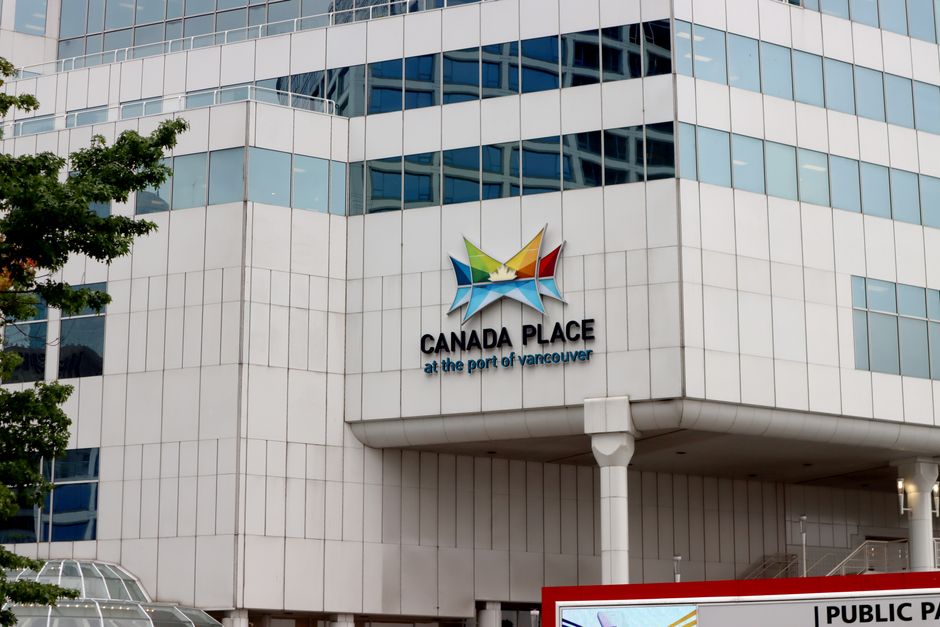
Metro Vancouver, among other BC regions, is a global leader in VFX and animation. This is an incredible asset for productions looking to differentiate their BTS content. VFX and animation teams can break down complex shots, reveal hidden layers, and showcase the artistry behind eye-popping effects.
Producers are increasingly using behind-the-scenes VFX demos or animator commentaries as “hooks” within BTS content — the kind of unique, expert-led insights that studios themselves often cannot replicate. These materials not only educate audiences but also proudly spotlight the region’s industry strength.
Interactive Digital Media: A Growing BC Creative Industry
Beyond passive BTS content, interactive digital media (like VR walkthroughs, game-ified experiences, or AR filters) is starting to play an important role in engaging fans more deeply. BC’s video game and digital media studios are well-positioned to collaborate with film and television creators to build these new layers of BTS interactivity.
Imagine exploring a game dev salaries Vancouver virtual production set in VR or customizing a character seen on screen — these kinds of immersive experiences turn behind-the-scenes into a two-way conversation, enhancing fan loyalty and creating fresh monetization avenues.
Making Behind-The-Scenes Content Really Work
Based on twelve years researching Vancouver’s ecosystem and conducting interviews with creative professionals, three key points stand out for producing BTS content that genuinely helps your film or series:
- Leverage technology to showcase process, not just product. Use virtual production and real-time visualization tools to create content that reveals how your story comes to life, not just what it looks like.
- Be authentic and human. Share the triumphs, setbacks, and personalities behind the camera, not just polished marketing material.
- Tailor content format and length to platform and audience. Use short-form videos for social media, deeper interviews for dedicated fans, and interactive experiences to invite active participation.
Conclusion
Behind-the-scenes content is far more than a marketing afterthought — it’s an opportunity to deepen engagement, celebrate craft, and extend the storytelling journey. In British Columbia’s vibrant creative industries, the digitization of workflows, integration of virtual production, and rise of interactive media expand what BTS content can be, creating new pathways to success.
For film and series teams ready to invest time and creativity into their BTS strategies, choosing interviews, short videos, production diaries, and release promo content thoughtfully — and embracing real-time digital tools — will produce dividends not just in views, but in lasting fan enthusiasm.